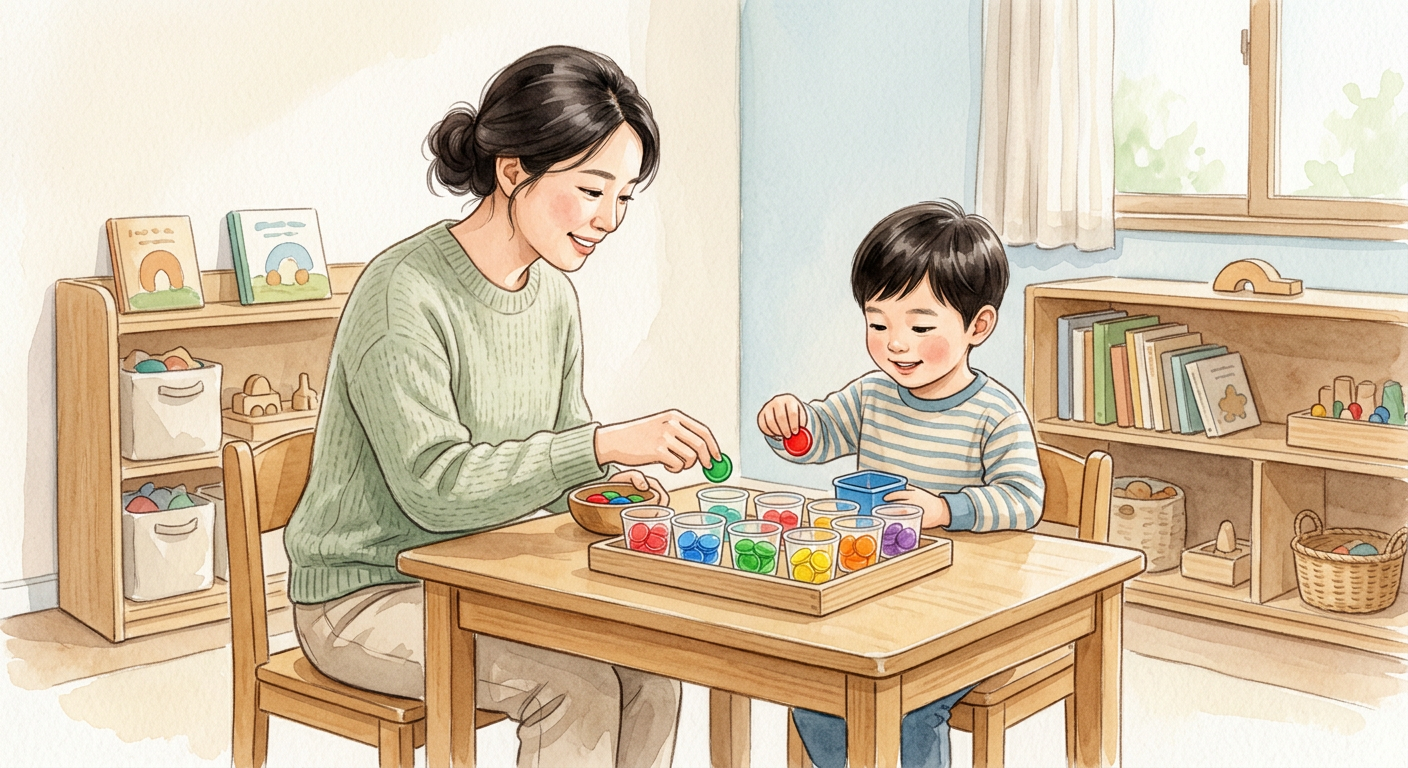
Move & Balance
Explore jumping, hopping, balancing, posture and body awareness through play.
Loading…
Learning to read and write involves more than recognising letters and holding a pencil.
Children also use balance, body awareness, rhythm, coordination, visual skills and hand control as they participate in everyday learning.
I've created short, playful activities to help you support these movement foundations at home, using everyday things you probably already have.
No complicated routines. No pressure to do everything. Just one little activity at a time.
Your child does not need to master every activity. Choose what suits their interests, abilities and your family's day.
Does your child struggle with morning drop-offs, separating from you or managing big emotions throughout the day?
Perhaps you're preparing for kindergarten or school and wondering how you can help your child feel more comfortable with change.
As parents, we can feel enormous pressure to have the right answers. We want our children to feel safe, confident and connected, but sometimes even the smallest everyday transitions can feel hard.
In this practical 45-minute family webinar, we'll explore what may be happening in your child's body and nervous system during these moments, and how small, manageable changes can help.
You don't need to have all the answers or get everything right. Sometimes a few small ideas can make a real difference to how you and your child experience the day.
Join from the comfort of home. Parents, carers and children are welcome. Cameras are optional.
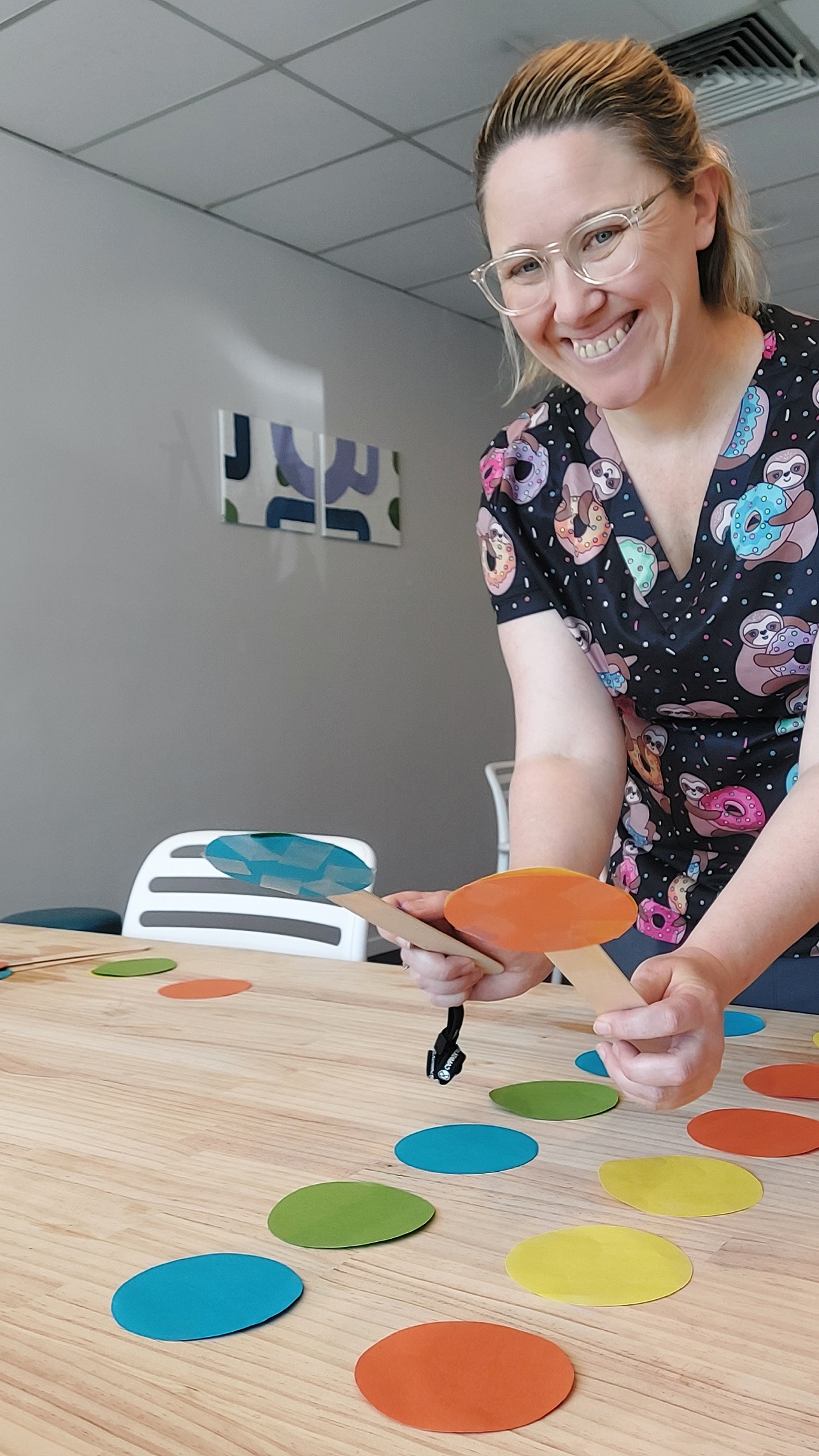
Movement provides opportunities to practise skills children use throughout the day, including when drawing, writing, listening, playing and learning.
Explore jumping, hopping, balancing, posture and body awareness through play.
Practise following moving objects, reaching, throwing and coordinating your eyes with body movements.
Explore timing, sequences, movement patterns and syllables through playful activities.
Discover tearing, cutting, drawing movements and activities using both hands together.
Explore direction, position, shapes, early letter awareness and spatial concepts through movement.
There's no need to do everything. Choose an activity your child can enjoy and adapt it to suit them.
You don't need another monthly commitment. We're preparing simple, one-off access options so you can choose the resources that suit your family.
Try some of my movement and early learning activities before spending anything.
Short, playful movement ideas using everyday equipment to explore balance, coordination, body awareness and visual-motor skills.
One-time payment. Includes 12 months of access.
The Family Movement & Learning Library.
A collection of follow-along videos and activities that explore the movement and coordination skills children use as they learn.
One-time payment. Includes 12 months of access.
Existing members can continue using their current access while the new purchasing options are prepared.
Some families want movement activities. Others are trying to understand why everyday situations have become difficult. Choose what feels most useful today.
Crashing, wriggling, avoiding, chewing, rough play, dressing battles or falling apart after school.
Help me notice what their body is telling me →Tell me how much capacity you have, what your child is practising and what you're already doing today.
Build my tiny plan →Work out which part you do, which part you do together and where your child might be ready for slightly less help.
Show me the Independence Ladder →No time. Too tired. They will get upset. Easier if I do it. We already tried. I feel guilty.
Help me through the mud →Hi, I'm Robyn. I'm an Accredited Exercise Physiologist, Developmental Educator and mum of three.
I've spent years helping children and families understand movement, development and learning.
But I also know parents have so much information coming at them about what their children should be doing.
My goal isn't to give you another list of things to worry about.
I want to help you understand your child's development and find little opportunities for movement, play and connection in ordinary life.
More about RobynSome days you'll have time to try a new activity. Other days you'll be managing work, school, dinner, tired children and everything else.
These resources are here when you need them, not to give you another thing to keep up with.
Choose one idea. Give it a go. See how your child responds.
You don't need to understand all the developmental terminology before helping your child explore movement and learning.
Try my free videos for simple activities involving movement, rhythm, coordination, early writing and learning.
You can pause, repeat or change activities to suit your child.
Watch free activities
Reflexes are part of how babies begin moving and responding to the world. As children develop, their movements gradually become more controlled and coordinated.
Explore my free reflex videos and eBook to learn more about these early movement patterns and discover playful activities to try together.
Watch free reflex videosEnter your details below to open the downloadable guide.
Your guide will open after you submit your details.
You may have already tried lots of activities, received professional advice or spent hours researching your child's development.
But it can still be difficult to know what matters most for your family and what to try next.
In an individual online session, we can explore your concerns, your child's strengths and practical ways to support everyday participation.
Your child finds particular movement or learning activities difficult.
Everyday routines keep becoming stressful for your family.
You've been given several professional recommendations and aren't sure how they fit together.
Or you simply want guidance that considers your individual child, rather than another generic collection of activities.
Explore professional learning and resources for people supporting children and families.